What Does Short Texts Mean in Texting? A Complete Guide for Modern Conversations 2026
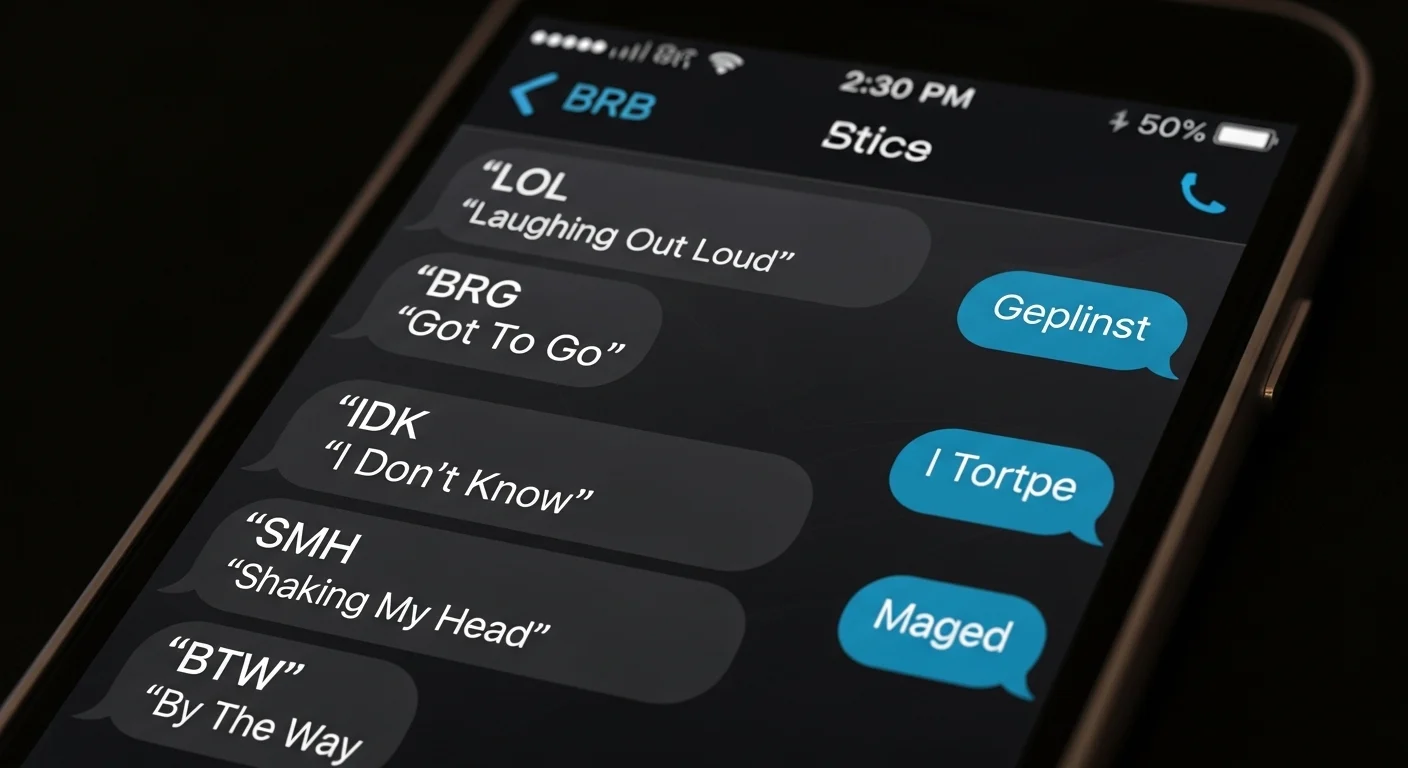
If you’ve ever received a one-word reply like “k,” “ok,” or “lol,” you’ve probably wondered: what does short texts mean in texting? In today’s fast-paced digital world, short texts have become a common communication style, especially among Gen Z and busy professionals. But these brief messages can carry a wide range of meanings—from casual convenience to emotional distance.
Understanding short texts isn’t just about decoding words; it’s about reading tone, context, and intent. Whether you’re texting friends, dating, or networking, knowing how to interpret and use short messages can improve your communication skills. In this guide, we’ll break down everything you need to know about short texts, including their meaning, examples, benefits, and common mistakes to avoid.
What Does Short Texts Mean in Texting?
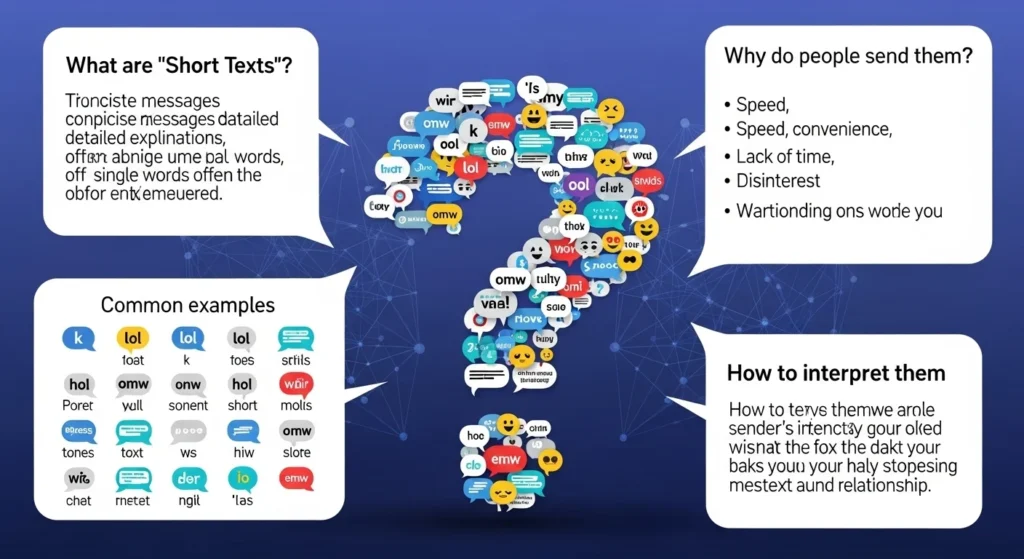
At its core, short texts in texting refer to brief, minimal responses that use few words or characters. These messages are often quick replies meant to save time or maintain casual conversation.
Common Examples of Short Texts
- “k”
- “ok”
- “lol”
- “idk” (I don’t know)
- “brb” (be right back)
- “sure”
- “yeah”
Why People Use Short Texts
Short texts are popular because they are:
- Fast and efficient
- Easy to type on mobile devices
- Informal and conversational
However, their meaning depends heavily on tone and context, which can sometimes lead to confusion.
The Meaning Behind Short Texts in Different Contexts
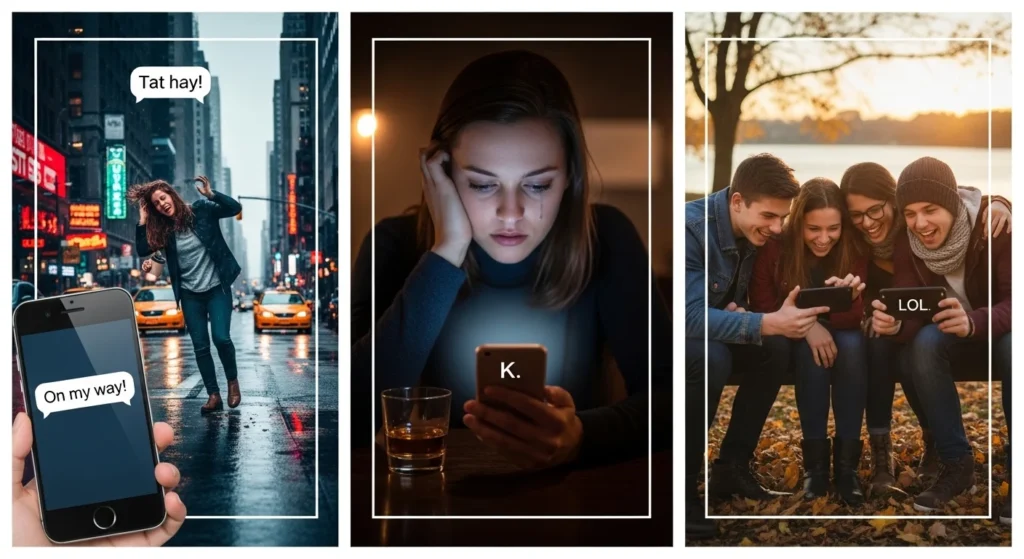
Not all short texts mean the same thing. The meaning can change depending on the situation, relationship, and even punctuation.
1. Casual Conversations
In friendly chats, short texts usually signal comfort and familiarity.
Example:
- Friend: “Wanna hang out later?”
- You: “sure”
👉 Meaning: Relaxed and agreeable.
2. Romantic or Dating Context
In dating, short texts can feel more loaded.
Example:
- You: “I had a great time today!”
- Them: “ok”
👉 Meaning: Could indicate disinterest or lack of enthusiasm.
3. Professional Communication
In work settings, short texts may seem abrupt or unprofessional.
Example:
- Boss: “Did you finish the report?”
- You: “yes”
👉 Meaning: Efficient but may lack warmth.
4. Emotional Tone Variations
Short texts can express different emotions depending on wording:
| Short Text | Possible Meaning |
|---|---|
| “k” | Annoyed, uninterested, or busy |
| “ok” | Neutral acknowledgment |
| “okay!” | Positive and friendly |
| “sure” | Agreeable but possibly hesitant |
Why Do People Use Short Texts in Texting?
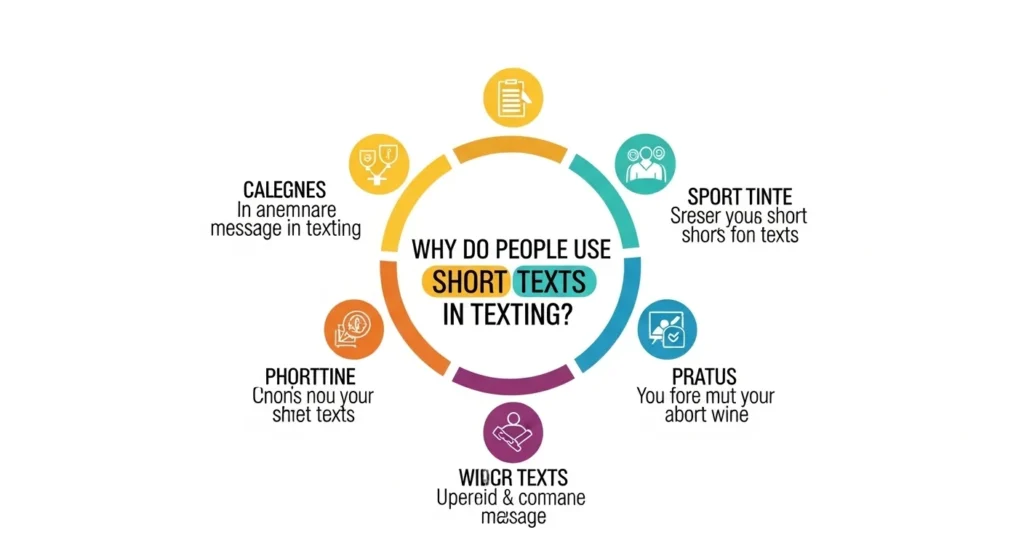
Understanding why short texts are used helps you interpret them better.
Convenience and Speed
People often send short texts when they’re:
- Busy at work or school
- Multitasking
- On the go
Digital Culture and Trends
Short texts are part of modern texting culture, especially among Gen Z, where quick replies are the norm.
Emotional Distance or Minimal Effort
Sometimes, short texts can signal:
- Lack of interest
- Emotional withdrawal
- Low effort in the conversation
Avoiding Overthinking
Some people prefer short texts to keep things simple and avoid long explanations.
How to Interpret Short Texts Correctly
Misinterpreting short texts is common. Here’s how to avoid confusion.
Look at the Context
Always consider:
- Previous messages
- Relationship with the person
- Timing of the reply
Pay Attention to Patterns
If someone consistently sends short texts, it’s likely their communication style—not necessarily a negative sign.
Check for Punctuation and Emojis
Small details matter:
- “ok.” → May feel cold
- “ok 😊” → Friendly and warm
Ask for Clarification
If unsure, don’t assume—ask.
Example:
- “Hey, just checking—are you okay?”
How to Use Short Texts Effectively in Texting
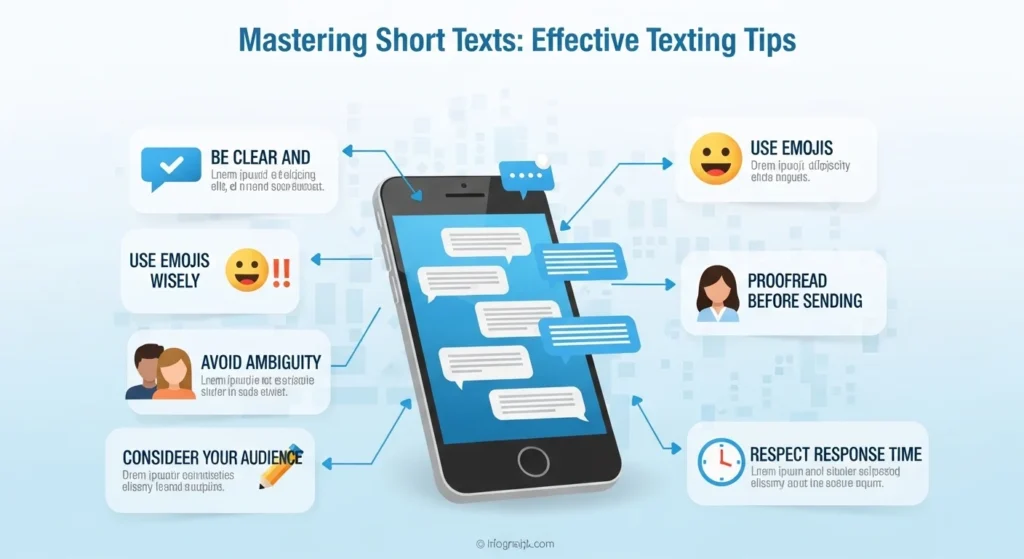
Using short texts properly can improve your communication.
When to Use Short Texts
- Quick confirmations (“yes,” “no”)
- Casual chats with close friends
- Busy situations
When to Avoid Short Texts
- Serious conversations
- Emotional discussions
- Professional communication
Tips for Better Use
- Add emojis to soften tone 😊
- Use slightly longer replies when clarity matters
- Match the other person’s texting style
Common Mistakes When Using Short Texts
Short texts can easily be misunderstood. Here are mistakes to avoid:
1. Being Too Brief in Important Conversations
Replying “ok” to a serious message can seem dismissive.
2. Ignoring Tone
A simple “k” can come across as rude, even if unintentional.
3. Overusing Short Texts
Constant short replies may make you seem uninterested.
4. Misreading Intent
Not every short text is negative—avoid jumping to conclusions.
Real-Life Examples and Mini Conversations
Example 1: Friendly Chat
- A: “Did you watch that show?”
- B: “yeah”
👉 Meaning: Casual and normal.
Example 2: Dating Scenario
- A: “Miss you ❤️”
- B: “k”
👉 Meaning: Possibly uninterested or distracted.
Example 3: Work Context
- Manager: “Meeting at 3 PM.”
- You: “ok”
👉 Meaning: Acknowledgment, but could be improved with “Got it, thanks!”
Benefits and Drawbacks of Short Texts
Benefits
- ✅ Saves time
- ✅ Keeps conversations simple
- ✅ Ideal for quick replies
Drawbacks
- ❌ Can feel cold or impersonal
- ❌ Easily misunderstood
- ❌ Lacks emotional depth
FAQs About What Does Short Texts Mean in Texting
1. What does short texts mean in texting from a guy or girl?
Short texts from anyone usually mean quick or casual communication, but in dating, they may signal low interest or distraction depending on context.
2. Are short texts rude?
Not always. Short texts are normal, but they can feel rude if used in emotional or serious conversations.
3. Why do people reply with one-word texts?
People use one-word texts for convenience, speed, or because they don’t feel the need to elaborate.
4. What does “k” mean in texting?
“K” often feels more abrupt than “ok” and can sometimes signal annoyance or disinterest.
5. How should I respond to short texts?
Match the tone. If needed, ask open-ended questions to keep the conversation going.
6. Do short texts mean someone is not interested?
Not necessarily. Look at patterns and context before assuming lack of interest.
7. Is it okay to use short texts in professional settings?
It’s better to use slightly longer, polite responses in professional communication.
Conclusion
So, what does short texts mean in texting? Simply put, they are quick, concise messages that can carry different meanings depending on context, tone, and relationship. While they’re perfect for fast communication, they can sometimes lead to misunderstandings if used carelessly.
The key is balance—use short texts for convenience, but switch to more detailed replies when clarity and emotion matter. By understanding how and when to use them, you’ll become a more effective and confident texter.
👉 Next time you receive a short reply, don’t overthink it—just read the context and respond smartly.
Discover more post
What Does Long Texts Mean in Texting? A Complete Guide for Beginners & Gen Z 2026

Creal Wood is a creative writer and digital expression enthusiast known for breaking down the deeper meaning and impact of modern text forms, from powerful written messages to the fast-moving world of internet memes. With a passion for exploring how words shape emotion, culture, and humor, Creal blends thoughtful analysis with a playful approach that makes complex ideas easy to understand.
Specializing in text symbolism, meme culture, visual linguistics, and communication trends, Creal studies how people use short phrases, captions, and visuals to express identity, humor, and social commentary in today’s online world. Their work uncovers the hidden layers behind everyday posts, explaining how meaning evolves as memes spread, transform, and reshape digital expression.
Whether breaking down literary themes, decoding meme formats, or examining how language adapts to new platforms, Creal Wood brings a unique voice that bridges academic insight with modern creativity. Their writing is engaging, insightful, and designed to help readers understand not just what a message says, but what it means.







Post Comment