What Does Soft Ghosting Mean? A Complete Guide to Modern Texting Behavior 2026

Ever had a conversation slowly fade out instead of ending abruptly? No dramatic goodbye, no confrontation—just shorter replies, delayed responses, and eventually… silence. That’s called soft ghosting, and it’s one of the most common (and confusing) communication trends in today’s digital world.
If you’ve been wondering what does soft ghosting mean, you’re not alone. From dating apps to everyday texting, this subtle behavior has become part of how people manage conversations without direct rejection. In this guide, you’ll learn exactly what soft ghosting is, how it differs from traditional , real-life examples, why people do it, and how to handle it like a pro.
What Does Soft Ghosting Mean in Texting and Dating?
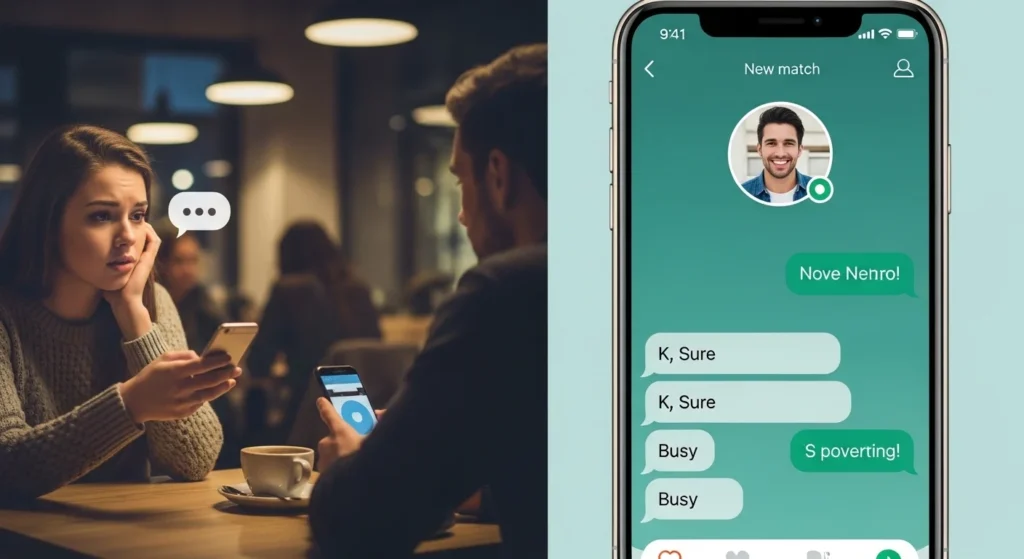
Soft ghosting is when someone gradually withdraws from a conversation without explicitly ending it. Instead of disappearing suddenly, they:
- Reply less frequently
- Use shorter, less engaging messages
- Stop asking questions
- Eventually stop responding altogether
Soft Ghosting vs. Ghosting
| Behavior Type | Description | Example |
|---|---|---|
| Ghosting | Sudden and complete disappearance | Stops replying instantly |
| Soft Ghosting | Gradual fade-out over time | Replies become dry → silence |
| Breadcrumbing | Keeps you interested with minimal effort | Occasional “Hey” texts |
Why It Feels So Confusing
Soft ghosting creates mixed signals. You’re not fully ignored—but you’re not engaged either. This gray area makes people question:
- “Are they busy or losing interest?”
- “Should I text again?”
- “Did I do something wrong?”
How Soft Ghosting Works: Real-Life Examples & Conversations
Example 1: The Gradual Fade
Day 1:
You: “Hey, how was your day?”
Them: “Good! Just got back from work, you?”
Day 3:
You: “Want to hang out this weekend?”
Them: “Maybe, I’ll see.”
Day 5:
You: “Hey!”
Them: 👍
Example 2: The “One-Word Reply” Pattern
- “Cool”
- “Yeah”
- “Lol”
- “Idk”
These responses signal low effort and fading interest.
Example 3: Social Media Soft Ghosting
- Still watches your stories
- Likes your posts
- Doesn’t reply to your messages
👉 This creates false hope, making it harder to move on.
Why Do People Soft Ghost? (Psychology Behind It)

1. Avoiding Confrontation
Many people fear awkward conversations. Instead of saying:
“I’m not interested,”
they slowly disappear.
2. Keeping Options Open
- Stay connected just in case
- Avoid fully closing the door
3. Emotional Uncertainty
Sometimes, they’re not sure how they feel:
- Interested… but not enough
- Busy… but not invested
4. Digital Communication Culture
Modern texting culture encourages low-effort exits:
- No accountability
- Easy to ignore messages
- Endless alternatives (dating apps, social media)
5. Lack of Communication Skills
Not everyone knows how to communicate clearly. Soft ghosting becomes a default behavior.
Signs You’re Being Soft Ghosted
Recognizing the signs early can save you time and emotional energy.
Top Indicators
- Delayed replies (hours → days)
- Short responses with no follow-up questions
- Excuses without effort (“busy,” “maybe later”)
- No initiation from their side
- Conversations feel one-sided
Quick Checklist
- Do you always text first?
- Are replies getting shorter?
- Do they avoid plans?
- Has the vibe changed suddenly?
How to Respond to Soft Ghosting (Smart & Confident Moves)

1. Don’t Chase
Avoid sending multiple follow-ups like:
- “Did you see my message?”
- “Are you mad?”
👉 This lowers your value and increases pressure.
2. Mirror Their Energy
If they reply slowly, you do the same. Match effort instead of overinvesting.
3. Ask Directly (If Needed)
A simple message can clarify things:
“Hey, I feel like the conversation has slowed down—are you still interested?”
4. Know When to Move On
If there’s no effort, don’t force it.
Silence is also an answer.
5. Focus on Self-Respect
Soft ghosting says more about them than you.
Example Response
You: “Hey, I’ve noticed things feel a bit off lately. No worries if you’re not interested, just wanted to check.”
This approach is:
- Calm
- Respectful
- Confident
Common Mistakes People Make with Soft Ghosting
Mistake #1: Overthinking Everything
Not every delay means rejection—but patterns matter.
Mistake #2: Double or Triple Texting
This often pushes the other person further away.
Mistake #3: Ignoring the Signs
Hoping things will “go back to normal” rarely works.
Mistake #4: Taking It Personally
- Their comfort
- Their communication style
Not your worth.
Mistake #5: Waiting Too Long
Don’t stay stuck in unclear situations.
Visual Content Idea
- “Top 5 mistakes” carousel post
- Before/after texting behavior examples
Benefits and Downsides of Soft Ghosting
Pros
- Avoids awkward conversations
- Feels less harsh than ghosting
- Gives both people time to disengage
Cons
- Creates confusion
- Wastes time
- Leads to emotional uncertainty
👉 Reality check: It may feel polite, but soft ghosting often causes more stress than honesty.
Key Takeaways
- It often involves short replies, delays, and low effort
- People do it to avoid confrontation or keep options open
- The best response is confidence, clarity, and self-respect
- Don’t chase—recognize the signs and move forward
FAQs About What Soft Ghosting Means

1. What does soft ghosting mean in texting?
Soft ghosting means gradually reducing communication—short replies, delays, and eventual silence instead of a direct goodbye.
2. Is soft ghosting worse than ghosting?
It depends. Ghosting is abrupt, while confusing and prolonged, which some people find more frustrating.
3. Why do people soft ghost instead of being honest?
Most people soft ghost to avoid confrontation, protect feelings, or because they lack communication skills.
4. How long before it’s considered soft ghosting?
If responses consistently slow down over several days and effort drops, it’s likely soft ghosting.
5. Should I text someone who is soft ghosting me?
You can send one clarifying message, but avoid repeated follow-ups. If there’s no effort, move on.
6. Is soft ghosting common in dating apps?
Very common. It’s one of the most frequent communication patterns in online dating.
Conclusion
So, what does soft ghosting mean? It’s a subtle way of ending a conversation without directly saying goodbye—a modern texting habit that reflects how communication has evolved in the digital age.
While it may seem less harsh than , often leaves people confused and overthinking. The key is to recognize the signs early, respond with confidence, and prioritize your self-worth.
Discover more post
What Does Ghosting Mean in Texting? A Complete

Creal Wood is a creative writer and digital expression enthusiast known for breaking down the deeper meaning and impact of modern text forms, from powerful written messages to the fast-moving world of internet memes. With a passion for exploring how words shape emotion, culture, and humor, Creal blends thoughtful analysis with a playful approach that makes complex ideas easy to understand.
Specializing in text symbolism, meme culture, visual linguistics, and communication trends, Creal studies how people use short phrases, captions, and visuals to express identity, humor, and social commentary in today’s online world. Their work uncovers the hidden layers behind everyday posts, explaining how meaning evolves as memes spread, transform, and reshape digital expression.
Whether breaking down literary themes, decoding meme formats, or examining how language adapts to new platforms, Creal Wood brings a unique voice that bridges academic insight with modern creativity. Their writing is engaging, insightful, and designed to help readers understand not just what a message says, but what it means.












Post Comment