What Does Using Caps Mean in Texting? The Real Meaning Behind ALL CAPS Messages 2026
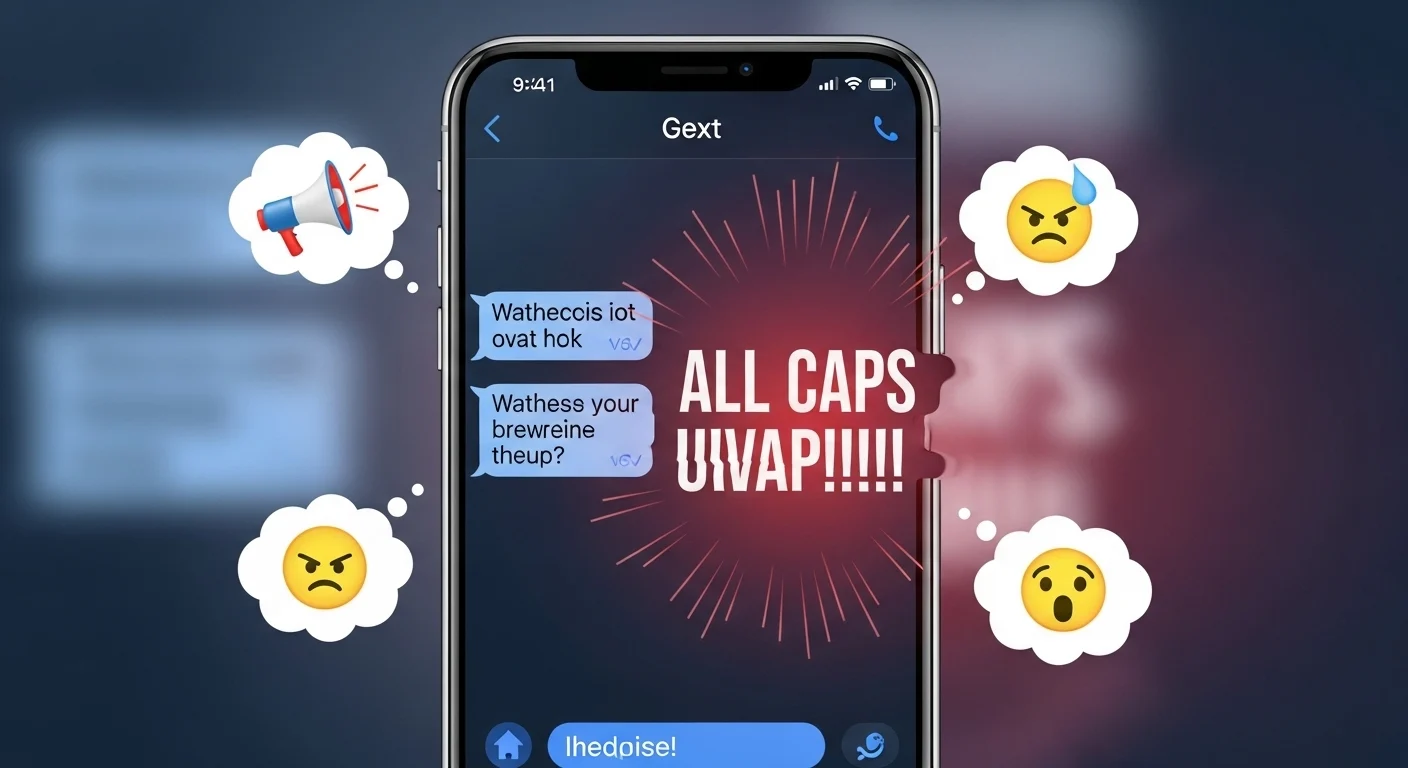
Ever received a message in ALL CAPS and wondered if the sender was mad, excited, or just being dramatic? You’re not alone. What does using caps mean in texting is a common question, especially in a world where tone can easily get lost through screens. Unlike face-to-face conversations, texting relies heavily on subtle cues like punctuation, emojis, and—yes—capital letters.
In texting culture, using caps can completely change the meaning of a message. A simple “okay” can feel calm, but “OKAY” might come across as intense or even aggressive. Whether you’re chatting with friends, texting your crush, or replying to coworkers, understanding how caps work can help you avoid awkward misunderstandings. In this guide, we’ll break down everything you need to know about using caps in texting—from meanings and examples to tips and common mistakes.
What Does Using Caps Mean in Texting? (Core Meaning Explained)
At its core, using caps in texting means adding emphasis. It’s the digital version of raising your voice, highlighting a point, or showing strong emotion.
Common Interpretations of ALL CAPS
Depending on context, ALL CAPS can mean:
- Excitement → “I GOT THE JOB!!!”
- Anger or frustration → “WHY WOULD YOU DO THAT?”
- Urgency → “CALL ME NOW”
- Sarcasm or humor → “OH GREAT, JUST WHAT I NEEDED 🙄”
- Emphasis → “This is REALLY important”
Why Caps Feel So Intense
When everything is capitalized, it visually stands out. Our brains interpret this as louder or more forceful. That’s why caps often feel more emotional than lowercase text.
The History of Using Caps in Texting and Online Culture
Understanding what using caps means in texting becomes easier when you know where it started.
Early Internet Etiquette
Back in early chatrooms and email days, typing in ALL CAPS was considered rude. It was widely accepted as “shouting” in digital communication.
Evolution in Modern Messaging
Today, Gen Z and online communities have reshaped the meaning:
- Caps are now used for dramatic storytelling
- They signal hyper-excitement or chaos energy
- Often paired with memes and humor
Example of Evolution
Old meaning:
- “STOP THAT” → aggressive
Modern meaning:
- “STOP I CAN’T BREATHE 😂” → laughing hard
So, context matters more than ever.
Different Ways Caps Are Used in Texting (With Examples)
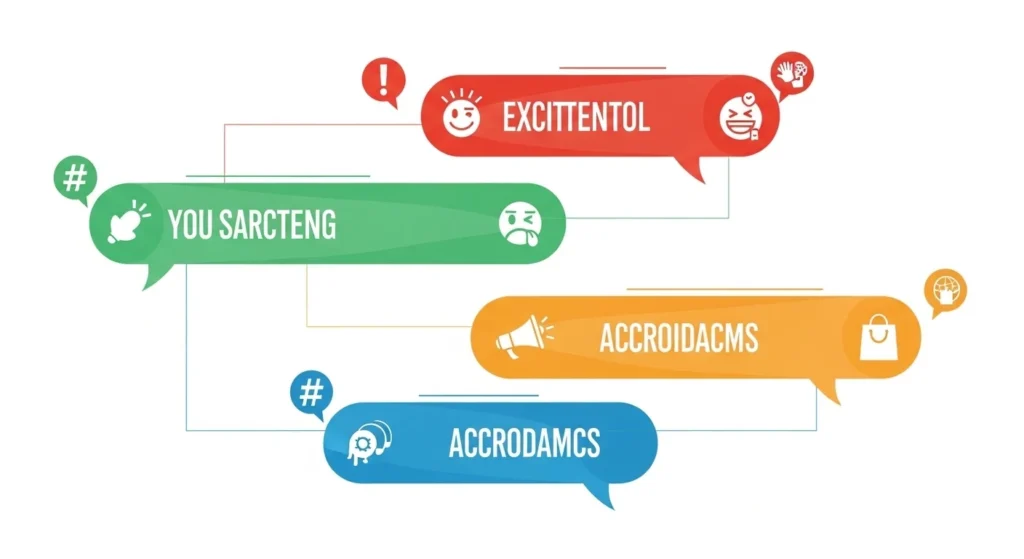
Let’s break down how caps show up in real conversations.
1. Caps for Excitement and Hype
Example:
- Friend: “Guess what?”
- You: “WHAT TELL ME RIGHT NOW”
This shows enthusiasm, not anger.
2. Caps for Anger or Frustration
Example:
- “WHY DID YOU CANCEL LAST MINUTE?”
Tone here feels intense or confrontational.
3. Caps for Humor and Drama
Example:
- “I JUST TRIPPED IN PUBLIC I’M MOVING COUNTRIES”
This exaggeration makes it funny.
4. Caps for Emphasis
Example:
- “You NEED to watch this show”
Only one word is capitalized to highlight importance.
5. Mixed Case for Tone Play
Example:
- “I’m Fine” vs “I’M FINE”
The second one usually signals the opposite—someone is definitely not fine.
Benefits of Using Caps in Texting
When used correctly, caps can actually improve communication.
Why People Use Caps
- Express emotions clearly
- Add personality to texts
- Make messages stand out
- Enhance storytelling
- Replace tone of voice
Quick Comparison Table
| Text Style | Meaning | Tone |
|---|---|---|
| “okay” | Neutral | Calm |
| “OKAY” | Intense | Excited or annoyed |
| “Okay!!!” | Happy | Enthusiastic |
| “ok…” | Uncertain | Passive or hesitant |
How to Use Caps in Texting the Right Way

Knowing what using caps means in texting is one thing—using it properly is another.
When to Use Caps
Use caps when you want to:
- Show excitement → “I’M SO HAPPY FOR YOU”
- Emphasize something important → “This is VERY serious”
- Be funny or dramatic → “I JUST DROPPED MY PHONE IN MY FOOD”
When to Avoid Caps
Avoid caps in:
- Professional messages
→ “PLEASE SEND THIS ASAP” can feel rude - Serious conversations
→ May come off as aggressive - Talking to someone you don’t know well
Pro Tips for Balanced Texting
- Mix caps with lowercase for clarity
- Use emojis to soften tone 😊
- Don’t overuse caps—it loses impact
- Consider your relationship with the person
Common Mistakes When Using Caps in Texting
Even though caps are simple, they’re easy to misuse.
1. Sounding Angry Without Meaning To
Typing in caps casually might make others think you’re upset.
2. Overusing Caps
If every message is in caps, it becomes overwhelming.
Example:
- “HELLO HOW ARE YOU WHAT ARE YOU DOING”
Feels chaotic and hard to read.
3. Misreading Tone
Someone might use caps jokingly, but it comes across as serious.
4. Ignoring Context
Caps between close friends ≠ caps in a work chat.
Real-Life Texting Scenarios (Mini Dialogues)
Scenario 1: Excitement
- A: “I got concert tickets”
- B: “NO WAY I’M SO JEALOUS”
Scenario 2: Anger
- A: “I forgot your birthday”
- B: “YOU WHAT??”
FAQs About What Does Using Caps Mean in Texting
1. Does using caps in texting always mean yelling?
No. While it originally meant yelling, today it can also show excitement, humor, or emphasis depending on context.
2. What does it mean when someone types in all caps suddenly?
It usually signals a strong emotion—like excitement, surprise, or frustration. Look at the conversation context to understand it.
3. Is using caps rude in texting?
It can be, especially in formal or professional settings. Among friends, it’s often playful.
4. What does using caps mean in texting from a guy or girl?
There’s no gender-specific meaning. It depends more on personality and context than who’s sending it.
5. Why do Gen Z use caps so much in texting?
Gen Z uses caps for humor, exaggeration, and expressive storytelling. It’s part of modern internet culture.
6. Is it okay to use caps in professional messages?
Generally, no. It’s better to use proper punctuation or formatting for emphasis.
7. What’s the difference between caps and exclamation marks?
Caps feel stronger and louder, while exclamation marks feel lighter and more friendly.
Conclusion
So, what does using caps mean in texting? It’s all about emotion, emphasis, and context. Caps can signal excitement, anger, humor, or urgency—sometimes all at once. The key is understanding how your message might be perceived by the person on the other side of the screen.
Used thoughtfully, caps can make your texts more expressive and fun. But overuse or poor timing can lead to misunderstandings. When in doubt, keep it balanced and consider your audience.
Discover more post
What Does Replying With Emojis Only Mean?

Creal Wood is a creative writer and digital expression enthusiast known for breaking down the deeper meaning and impact of modern text forms, from powerful written messages to the fast-moving world of internet memes. With a passion for exploring how words shape emotion, culture, and humor, Creal blends thoughtful analysis with a playful approach that makes complex ideas easy to understand.
Specializing in text symbolism, meme culture, visual linguistics, and communication trends, Creal studies how people use short phrases, captions, and visuals to express identity, humor, and social commentary in today’s online world. Their work uncovers the hidden layers behind everyday posts, explaining how meaning evolves as memes spread, transform, and reshape digital expression.
Whether breaking down literary themes, decoding meme formats, or examining how language adapts to new platforms, Creal Wood brings a unique voice that bridges academic insight with modern creativity. Their writing is engaging, insightful, and designed to help readers understand not just what a message says, but what it means.







Post Comment