What Does Liking Messages Mean? A Complete Guide to Digital Reactions 2026
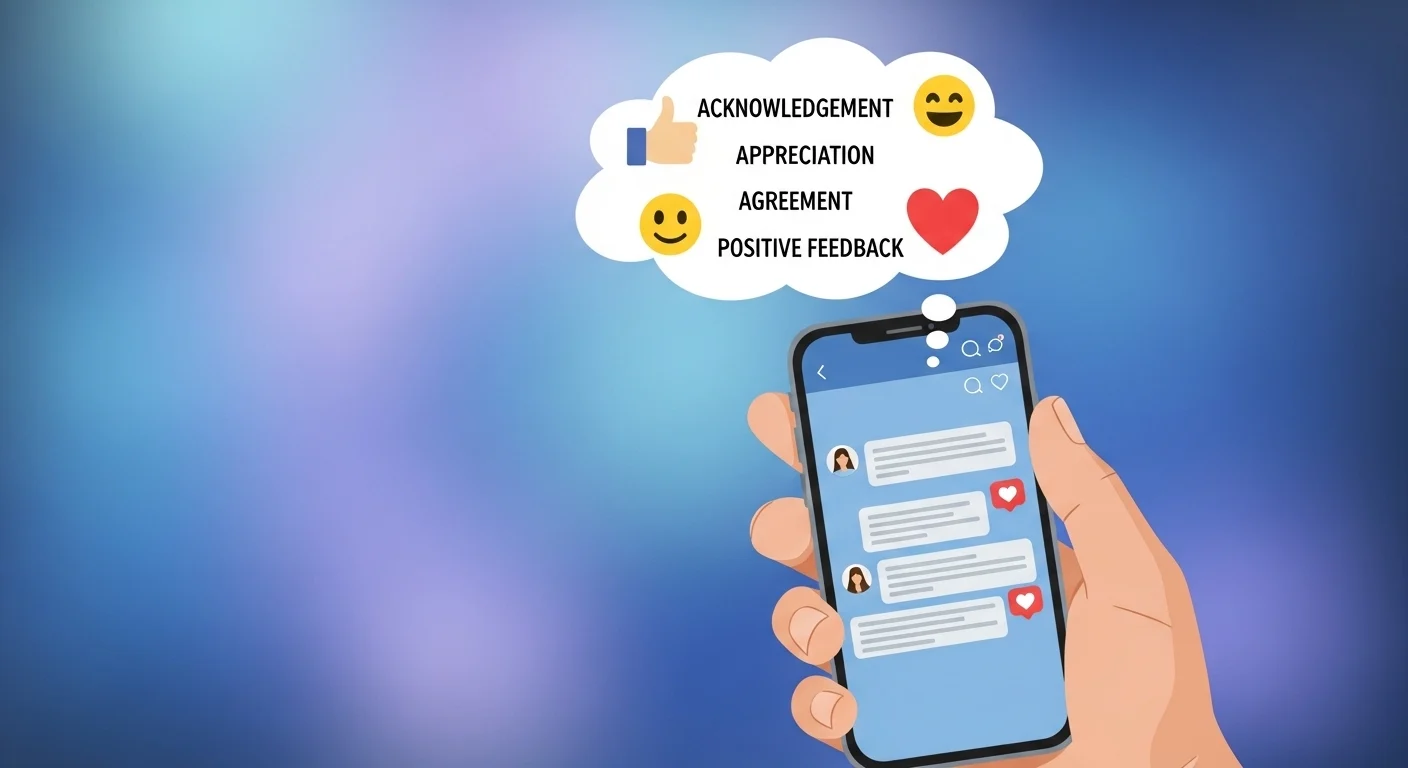
If you’ve ever sent a message and received nothing but a small heart, thumbs-up, or emoji reaction in return, you’ve probably wondered: what does liking messages mean? In today’s fast-paced digital world, message “likes” have become a universal shorthand for communication. Whether you’re texting a friend, chatting on social media, or sliding into someone’s DMs, these tiny reactions can carry surprisingly big meaning.
For beginners, bloggers, and Gen Z users alike, understanding message likes is essential for navigating modern conversations. Are they a sign of interest? A polite acknowledgment? Or just a lazy reply? This guide breaks it all down—covering meanings, context, examples, and tips—so you never have to overthink a simple reaction again.
What Does Liking Messages Mean in Texting?
At its core, liking messages means reacting to a message without sending a full reply. It’s a quick, low-effort way to show acknowledgment, agreement, or emotion.
Common Meanings of Liking Messages
Depending on context, a “like” can mean:
- Acknowledgment: “I saw your message.”
- Agreement: “I agree with you.”
- Appreciation: “That’s nice or helpful.”
- Closure: “Conversation done.”
- Low effort reply: “I don’t feel like typing.”
Why People Use Message Reactions
Message likes became popular because they are:
- Fast and convenient
- Less intrusive than typing
- Universally understood
- Emotionally expressive (via emojis)
Example Conversation
You: “I’ll meet you at 7 PM.”
Friend: 👍
👉 Meaning: They’ve seen and agreed—no further reply needed.
The Evolution: How Liking Messages Became Popular
From Text Replies to Emoji Reactions
In early texting days, people had to type responses like “ok,” “lol,” or “got it.” Over time, platforms introduced quick reactions to simplify communication.
Rise of Social Media Reactions
Apps like Facebook, Instagram, and messaging platforms normalized liking messages. Today, reactions include:
- ❤️ Heart (love or appreciation)
- 👍 Thumbs-up (agreement)
- 😂 Laugh (humor)
- 😮 Wow (surprise)
Why Gen Z Loves Message Likes
Gen Z prefers fast, expressive communication. Message likes fit perfectly because they:
- Reduce overthinking
- Keep conversations casual
- Match meme and emoji culture
What Does Liking Messages Mean From a Guy or Girl?
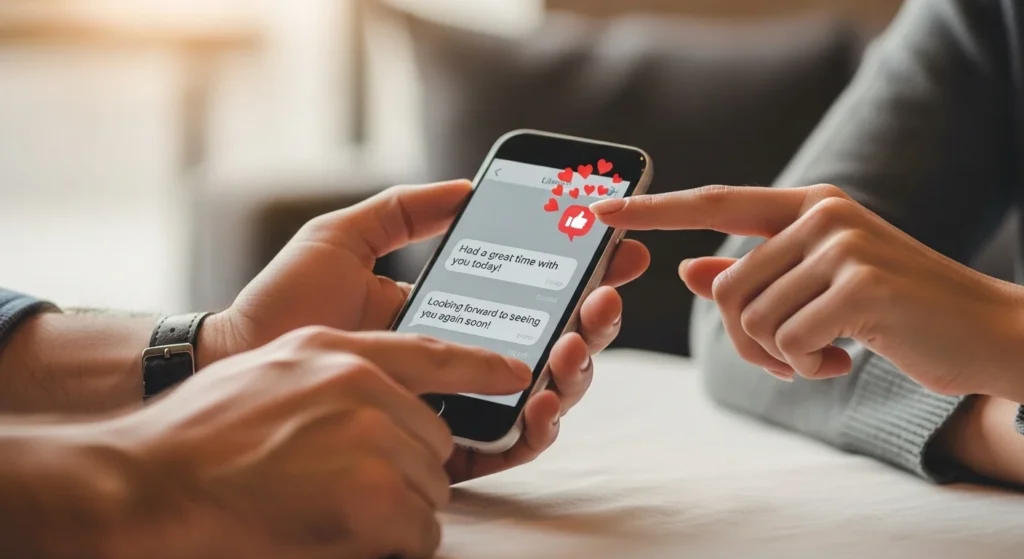
One of the most searched questions is: what does liking messages mean in relationships or dating? The answer depends heavily on context.
When a Guy Likes Your Message
It could mean:
- He agrees but has nothing to add
- He’s busy but wants to acknowledge
- He’s ending the conversation politely
- Sometimes: low interest (if it replaces real replies)
When a Girl Likes Your Message
It may indicate:
- She appreciates what you said
- She’s shy or unsure how to respond
- She wants to keep things light
- She’s signaling the convo is done
Important Rule: Context Matters
A single like means little. Patterns tell the story.
Example
You: “I had a great time today 😊”
Them: ❤️
👉 Likely meaning: They enjoyed it too.
But…
You: “Do you want to hang out again?”
Them: 👍
👉 Could mean: Avoiding a direct answer.
Real-Life Examples of Liking Messages
1. Friendly Conversations
You: “Happy birthday! 🎉”
Friend: ❤️
👉 Meaning: Gratitude without typing “thanks.”
2. Workplace Communication
Boss: “Please submit the report by 5 PM.”
You: 👍
👉 Meaning: Acknowledged and understood.
3. Romantic Situations
You: “I miss you.”
Crush: ❤️
👉 Meaning: Positive emotional response (usually good sign).
4. Ending a Conversation
You: “Alright, talk later.”
Them: 👍
👉 Meaning: Conversation closed.
Benefits of Liking Messages Instead of Replying
Using reactions isn’t just convenient—it has real advantages.
Quick Comparison Table
| Feature | Message Likes 👍 | Text Replies 💬 |
|---|---|---|
| Speed | Very fast | Slower |
| Effort | Low | Medium |
| Clarity | Sometimes vague | More clear |
| Emotional tone | Emoji-based | Words-based |
| Best for | Short convos | Deep convos |
Key Benefits
- Saves time in busy moments
- Reduces clutter in chats
- Avoids awkward replies
- Keeps conversations flowing naturally
How to Use Message Likes Effectively
Knowing what does liking messages mean is one thing—using them correctly is another.
When You Should Like a Message
- When you agree with something
- When you want to acknowledge quickly
- When the conversation is ending naturally
- When a reply isn’t necessary
When You Should NOT Use a Like
- In serious conversations
- When someone asks a direct question
- During emotional discussions
- When clarity is needed
Pro Tip
If a message requires a response, don’t replace it with a like—it can seem dismissive.
Common Mistakes When Liking Messages
Even though it’s simple, people often misuse reactions.
1. Overusing Likes
Liking every message can make conversations feel lazy or impersonal.
2. Using Likes in Serious Topics
Example:
Friend: “I’m feeling really down today.”
You: 👍
👉 This feels insensitive. Always respond with words in emotional situations.
3. Misreading Intentions
A like doesn’t always mean disinterest—it could just mean:
- They’re busy
- They don’t know what to say
- They think no reply is needed
4. Ending Conversations Abruptly
Using a like instead of a reply can sometimes feel like shutting someone down.
What Does Liking Messages Mean Psychologically?
From a psychological perspective, message likes reflect minimal-effort communication with maximum efficiency.
Key Insights
- Cognitive ease: People prefer simple actions over complex ones
- Social signaling: A like shows presence without commitment
- Emotional ambiguity: Leaves room for interpretation
This is why message likes can sometimes feel confusing—they’re intentionally low-detail.
Tips to Interpret Message Likes Correctly
1. Look at Patterns
Do they always like messages instead of replying? That’s their communication style.
2. Consider Timing
- Instant like = engaged
- Delayed like = possibly distracted
3. Match Context
A like after a joke ≠ a like after a serious question.
4. Don’t Overthink It
Not every like has a hidden meaning. Sometimes it’s just… a like.
FAQs About What Does Liking Messages Mean
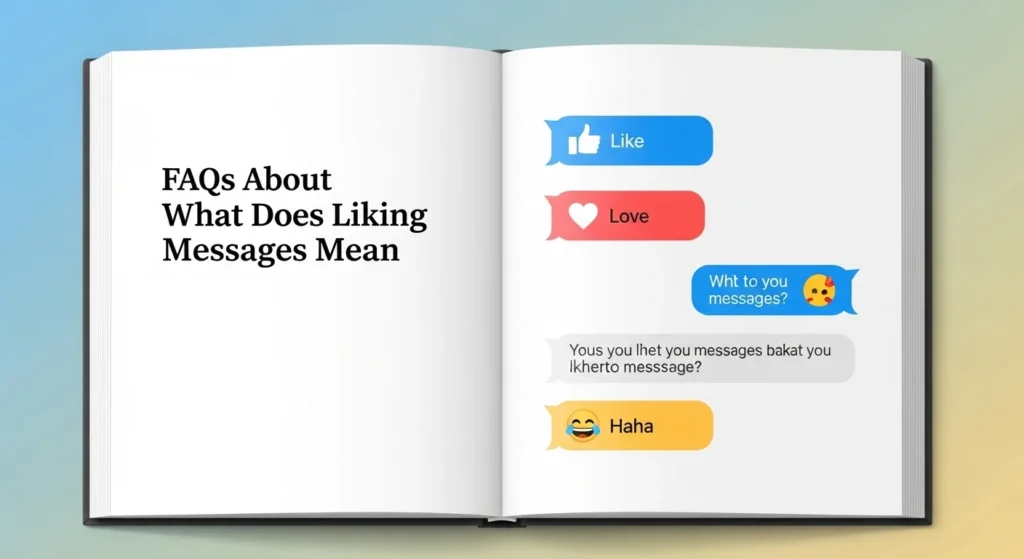
1. What does liking messages mean in texting?
It means reacting to a message instead of replying, usually to show acknowledgment, agreement, or appreciation.
2. Is liking messages rude?
Not usually. However, it can feel rude if used in serious or emotional conversations where a proper reply is expected.
3. What does it mean when someone only likes your messages?
It may indicate low effort, lack of interest, or simply their communication style. Look at patterns before judging.
4. What does liking messages mean in dating?
In dating, it can signal interest, politeness, or avoidance—depending on the context and frequency.
5. Why do people like messages instead of replying?
Because it’s faster, easier, and sometimes enough to communicate their intent without typing.
6. Does liking messages mean the conversation is over?
Often, yes. A like can act as a subtle way to close a conversation.
Conclusion
So, what does liking messages mean? In short, it’s a modern communication shortcut—used to acknowledge, agree, or react without typing a full response. While it’s incredibly convenient, its meaning depends heavily on context, tone, and patterns.
The key takeaway? Don’t overanalyze a single like. Instead, look at the bigger picture of how someone communicates. Used correctly, message likes can enhance conversations—but when misused, they can create confusion.
Discover more post
What Does Sharing Posts Mean in Chat? A Complete

Creal Wood is a creative writer and digital expression enthusiast known for breaking down the deeper meaning and impact of modern text forms, from powerful written messages to the fast-moving world of internet memes. With a passion for exploring how words shape emotion, culture, and humor, Creal blends thoughtful analysis with a playful approach that makes complex ideas easy to understand.
Specializing in text symbolism, meme culture, visual linguistics, and communication trends, Creal studies how people use short phrases, captions, and visuals to express identity, humor, and social commentary in today’s online world. Their work uncovers the hidden layers behind everyday posts, explaining how meaning evolves as memes spread, transform, and reshape digital expression.
Whether breaking down literary themes, decoding meme formats, or examining how language adapts to new platforms, Creal Wood brings a unique voice that bridges academic insight with modern creativity. Their writing is engaging, insightful, and designed to help readers understand not just what a message says, but what it means.






Post Comment