What Does Reacting to Messages Mean? A Complete Guide for Modern Texting 2026
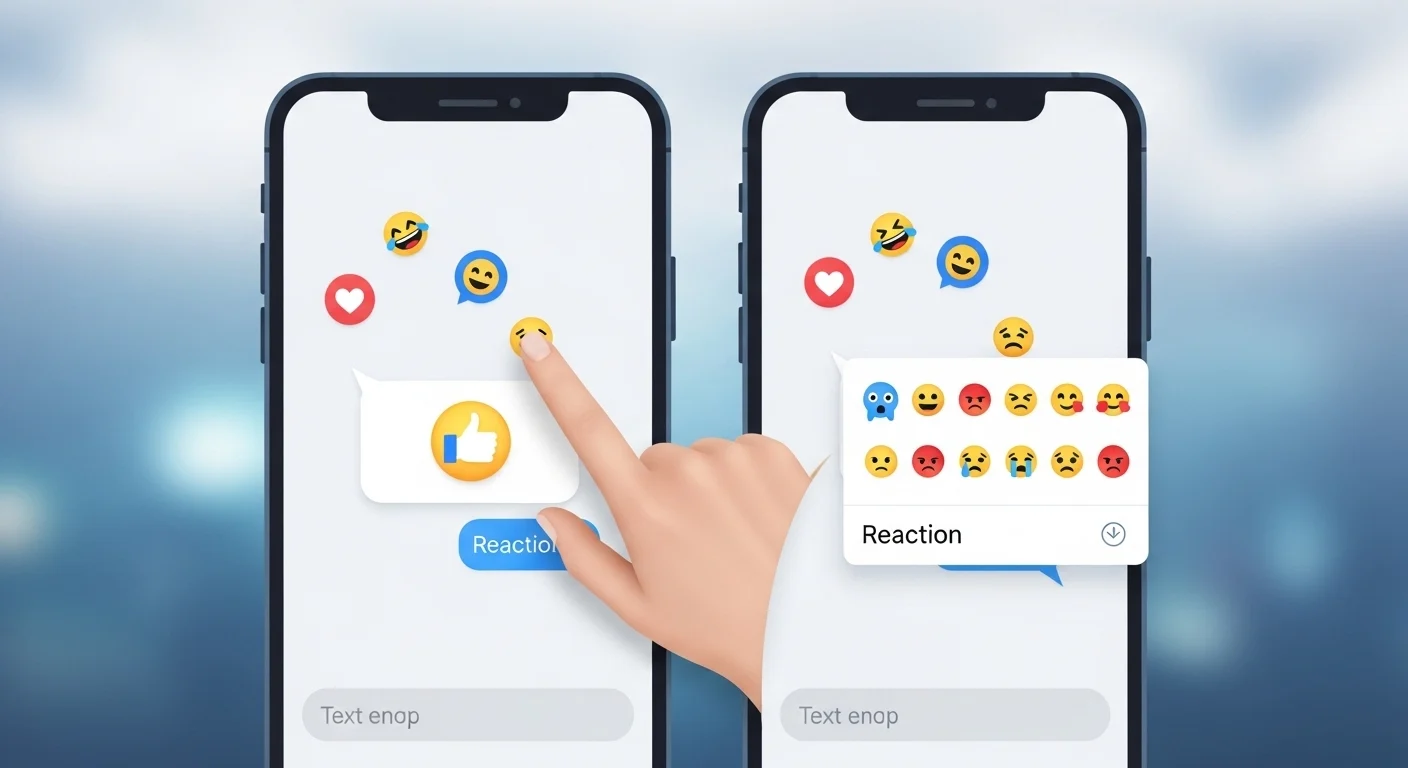
Ever sent a message and received just a 👍, ❤️, or 😂 in response? If so, you’ve already experienced how reacting to messages has become a core part of digital communication. But what does reacting to messages mean, really? Is it a shortcut for replying, a sign of interest, or sometimes… a subtle brush-off?
In today’s fast-paced texting culture—especially on platforms like iMessage, WhatsApp, Instagram, and Messenger—message reactions help people respond quickly without typing full replies. For Gen Z and casual users, they’re almost a language of their own. This guide breaks down everything you need to know about reacting to messages, from meaning and psychology to real-life examples, tips, and common mistakes.
What Does Reacting to Messages Mean in Texting?
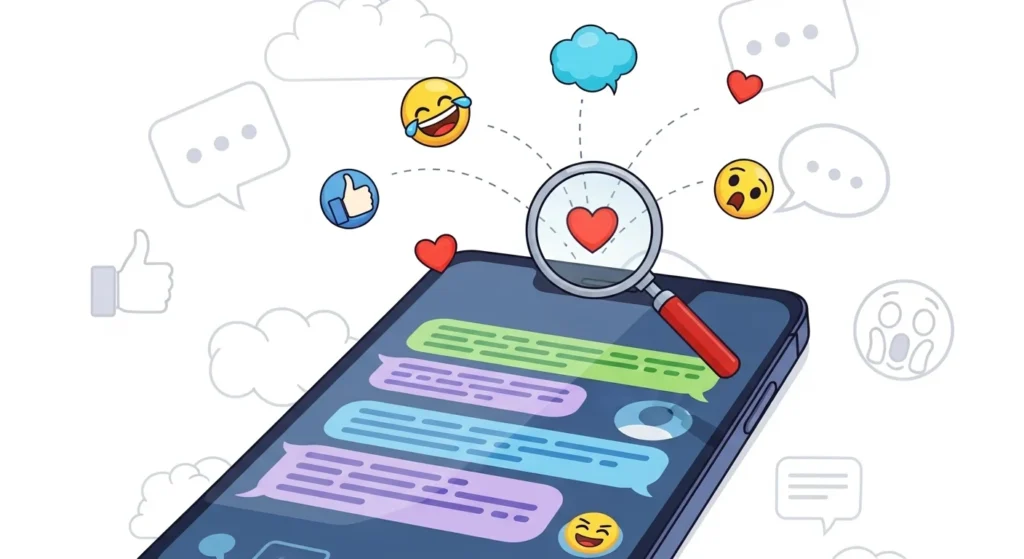
At its core, reacting to messages means using emojis or built-in reactions (like ❤️, 👍, 😂) to respond to a message without typing a full reply.
Why People Use Message Reactions
- Quick acknowledgment – “I saw your message”
- Emotional expression – Showing how you feel instantly
- Low-effort reply – No need to type
- Keeping conversations light – Especially in casual chats
Common Reaction Meanings
| Reaction | Meaning |
|---|---|
| 👍 | Okay, got it |
| ❤️ | Love this / emotional connection |
| 😂 | That’s funny |
| 😮 | Surprise or shock |
| 👎 | Disagreement (sometimes harsh) |
👉 In simple terms, reacting to messages is like non-verbal communication in texting.
The Evolution: How Reacting to Messages Became Popular
From Emojis to Instant Reactions
Before reactions, people used:
- Emojis in replies 😊
- Short texts like “lol” or “ok”
Now, platforms have built-in reactions that attach directly to messages.
Why Reactions Took Over
- Faster communication in busy lives
- Social media influence (Instagram, Facebook)
- Shorter attention spans (yes, TikTok culture 👀)
Popular Platforms That Use Message Reactions
- iMessage (Tapbacks)
- Instagram DMs
- Facebook Messenger
- Slack (for work chats)
Trend Insight: Reacting to messages is part of a bigger shift toward minimal-effort communication.
What Does Reacting to Messages Mean in Different Contexts?
Not all reactions mean the same thing—it depends on the situation.
1. In Casual Conversations
Reactions often mean:
- “I agree”
- “That’s funny”
- “Cool, noted”
Example:
You: “I just finished my exam 😭”
Friend: 😂
👉 Meaning: They find your situation relatable or funny.
2. In Relationships or Dating
Reactions can carry hidden meaning.
Example:
You: “I miss you ❤️”
Them: 👍
👉 This might feel cold or uninterested.
Possible interpretations:
- They’re busy
- They’re not as emotionally invested
- They didn’t know what to say
3. In Professional Chats
Reactions are used to:
- Confirm tasks
- Acknowledge messages
- Keep communication efficient
Example:
Boss: “Please send the report by 5 PM”
You: 👍
👉 Meaning: Message received and understood.
4. In Group Chats
Reactions help avoid clutter.
Instead of 10 people typing “LOL,” everyone just reacts 😂.
Benefits of Reacting to Messages
Why People Love Using Reactions
✔️ 1. Saves Time
Typing takes effort. A reaction takes one tap.
✔️ 2. Reduces Conversation Overload
Especially in group chats.
✔️ 3. Adds Emotional Context
Sometimes a ❤️ says more than words.
✔️ 4. Keeps Conversations Flowing
Quick responses keep chats alive without long replies.
When Reactions Work Best
- Acknowledging information
- Responding to jokes or memes
- Agreeing without needing explanation
How to Use Message Reactions Effectively
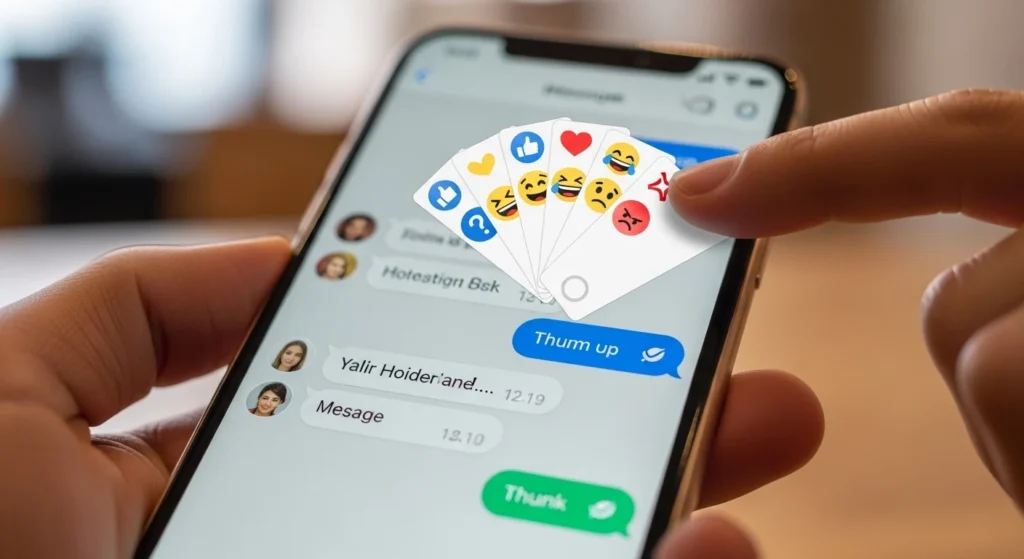
Using reactions the right way can improve your communication.
Step-by-Step Guide
1. Match the Tone
Use reactions that fit the message.
- Sad message → ❤️ or 😢
- Funny message → 😂
- Serious message → 👍
2. Don’t Overuse Them
Too many reactions = lazy communication.
👉 Mix reactions with real replies.
3. Know When to Type Instead
Some messages need words.
Avoid reacting only when:
- Someone shares something emotional
- You need to explain something
- It’s an important conversation
Example Scenarios
✅ Good Use:
Friend: “I got the job!!”
You: 🎉🔥
❌ Bad Use:
Friend: “I’m going through a tough time”
You: 👍
👉 That feels dismissive.
Common Mistakes When Reacting to Messages
Even though reactions are simple, people misuse them a lot.
Top Mistakes to Avoid
❌ 1. Using Reactions Instead of Real Replies
Sometimes it feels like you’re ignoring the person.
❌ 2. Sending the Wrong Emotion
A 😂 on a serious message can come off as rude.
❌ 3. Overreacting in Conversations
Too many reactions = confusing or annoying.
❌ 4. Misinterpreting Reactions
Not every 👍 means something negative.
👉 Context matters more than the emoji.
Real-Life Examples & Mini Conversations
Example 1: Friendly Chat
You: “Let’s grab pizza tonight”
Friend: 👍
👉 Meaning: Sounds good!
Example 2: Romantic Context
You: “I really like you ❤️”
Them: 😊
👉 Meaning: Positive, but possibly cautious.
Example 3: Awkward Situation
You: “We need to talk…”
Them: 😂
👉 Meaning: Could be nervous humor—or confusion.
Example 4: Group Chat
Someone: “Party at my place Saturday!”
Everyone: 🔥🎉🙌
👉 Meaning: Collective excitement.
FAQs About Reacting to Messages
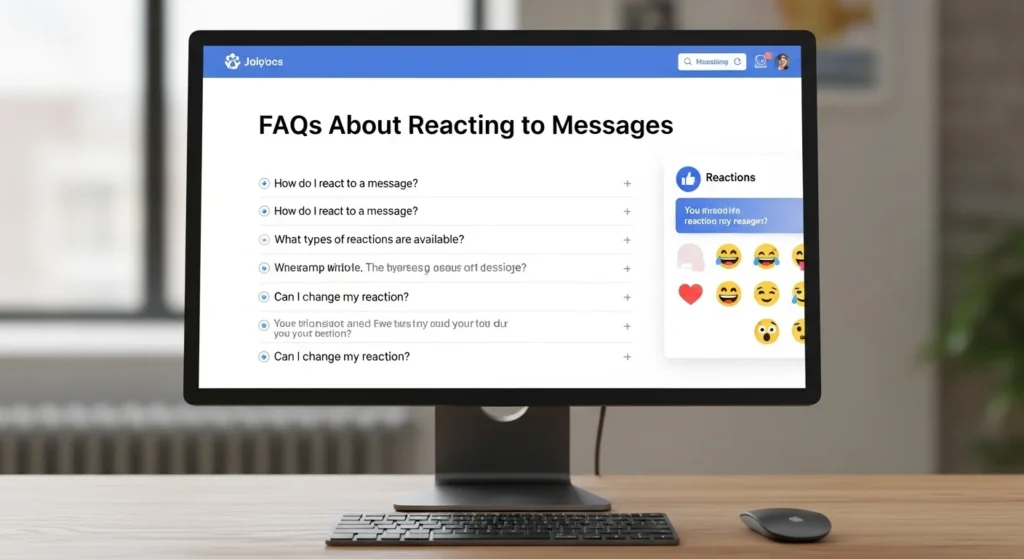
1. What does reacting to messages mean on iPhone?
Reacting to messages on iPhone (Tapbacks) means using quick emojis like ❤️ or 👍 to respond without typing. It shows acknowledgment or emotion.
2. Is reacting to messages rude?
Not always. It depends on context. Reacting instead of replying to serious messages can feel dismissive.
3. What does a 👍 reaction mean in texting?
It usually means “okay,” “got it,” or agreement—but sometimes it can feel cold in emotional conversations.
4. Why do people only react instead of replying?
Because it’s faster, easier, and requires less effort. It’s part of modern texting habits.
5. What does reacting to messages mean in dating?
It can signal interest, neutrality, or disinterest depending on the emoji and context.
6. Can message reactions replace real conversations?
No. They’re useful for quick responses but shouldn’t replace meaningful communication.
7. How should I respond to a reaction?
If needed, follow up with a message. Otherwise, treat it as acknowledgment.
Conclusion
So, what does reacting to messages mean? It’s a modern, fast, and expressive way to communicate without typing full replies. Whether it’s a 👍 for acknowledgment, ❤️ for connection, or 😂 for humor, reactions have become a universal texting language.
However, context is everything. Used correctly, reactions make conversations smoother and more engaging. Used poorly, they can seem lazy or even rude.
Pro Tip: Balance reactions with real messages to keep your communication clear and meaningful.
Discover more post
What Does Liking Messages Mean? A Complete Guide to

Creal Wood is a creative writer and digital expression enthusiast known for breaking down the deeper meaning and impact of modern text forms, from powerful written messages to the fast-moving world of internet memes. With a passion for exploring how words shape emotion, culture, and humor, Creal blends thoughtful analysis with a playful approach that makes complex ideas easy to understand.
Specializing in text symbolism, meme culture, visual linguistics, and communication trends, Creal studies how people use short phrases, captions, and visuals to express identity, humor, and social commentary in today’s online world. Their work uncovers the hidden layers behind everyday posts, explaining how meaning evolves as memes spread, transform, and reshape digital expression.
Whether breaking down literary themes, decoding meme formats, or examining how language adapts to new platforms, Creal Wood brings a unique voice that bridges academic insight with modern creativity. Their writing is engaging, insightful, and designed to help readers understand not just what a message says, but what it means.







Post Comment