What Does Using Dots Mean in Texting? (Complete Guide to “…” in Messages)2026
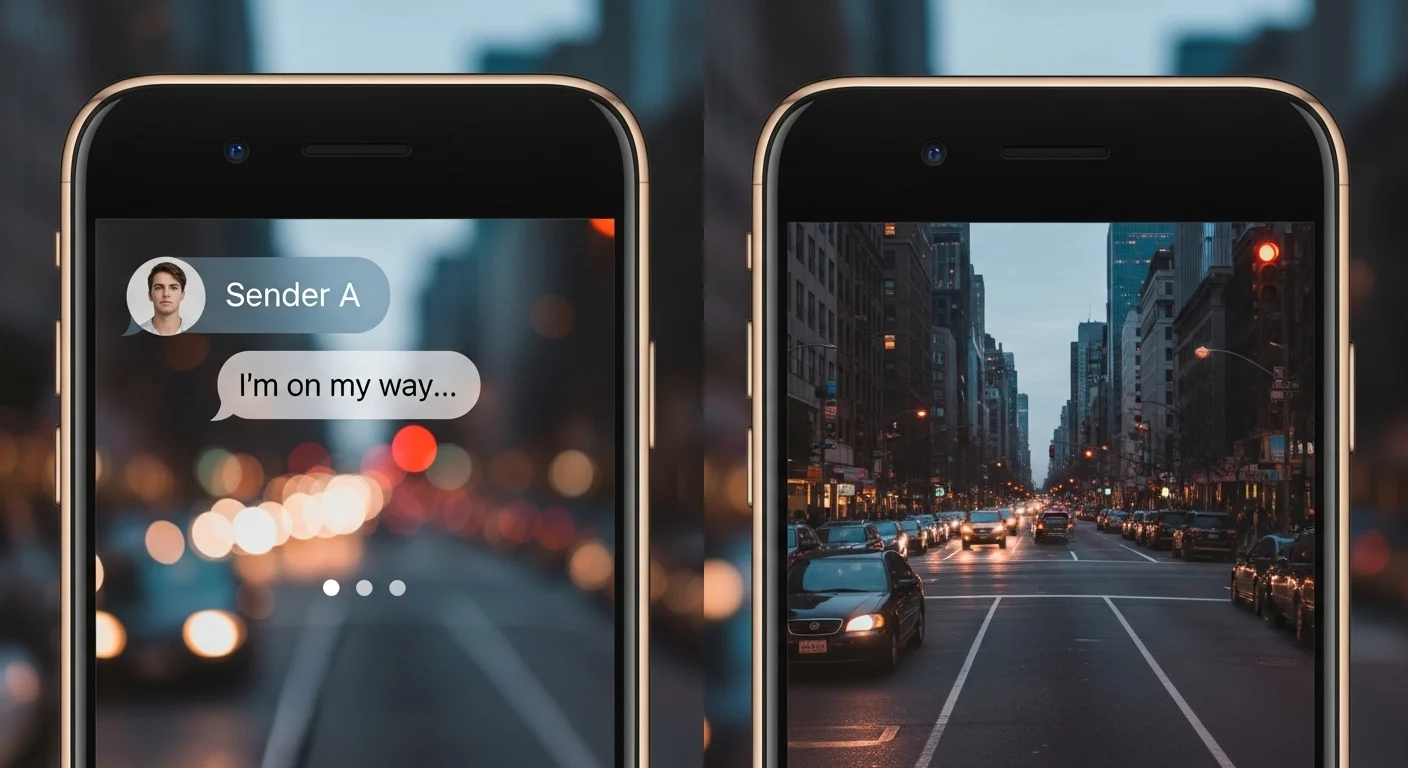
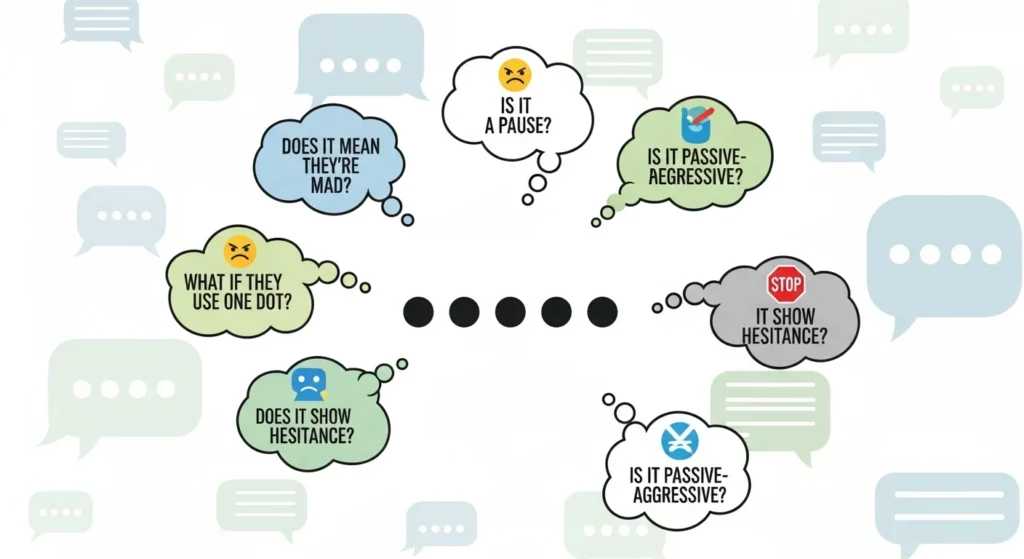
Ever received a text that ends with “…” and wondered what it actually means? You’re not alone. In today’s digital conversations, punctuation carries more emotional weight than ever—and understanding it can make or break how your message is perceived. So, what does using dots mean in texting?
Those three little dots—also known as an ellipsis—can signal anything from hesitation and suspense to sarcasm or even passive-aggressiveness. For Gen Z and frequent texters, the meaning often depends heavily on tone, context, and relationship dynamics. This guide breaks down everything you need to know about using dots in texting, with real examples, tips, and common mistakes to avoid so you never misread a message again.
What Does Using Dots Mean in Texting? (Definition & Basics)
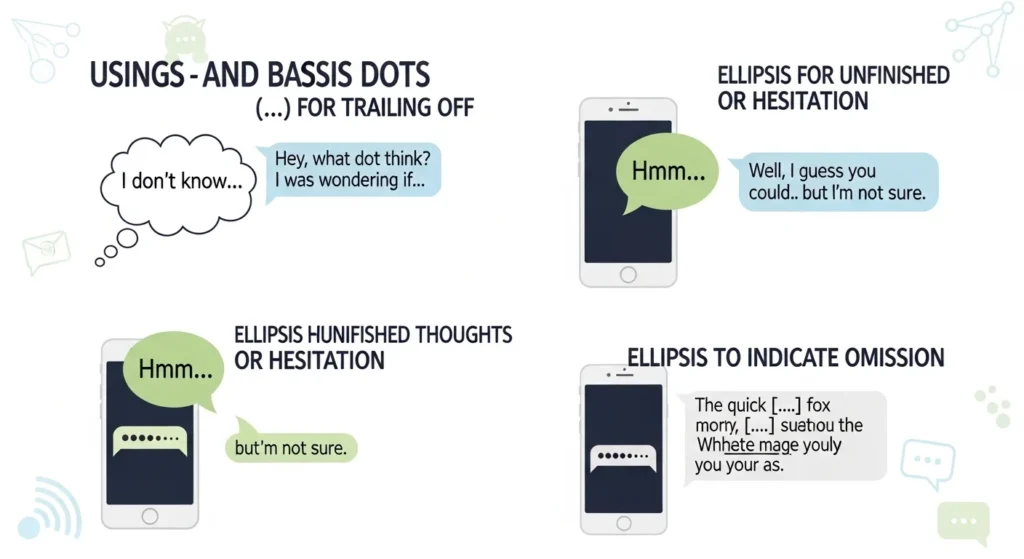
At its core, using dots in texting refers to the use of an ellipsis (“…”) to convey emotion or pause in digital communication.
What Is an Ellipsis in Texting?
An ellipsis is a punctuation mark made up of three dots:
- “…”
Traditionally, it indicates:
- A pause in thought
- An unfinished sentence
- Omitted words
But in texting, it has evolved far beyond grammar.
Common Meanings of “…” in Texting
Depending on context, dots can imply:
- Hesitation → “I don’t know…”
- Suspense → “Wait till you hear this…”
- Awkwardness → “Oh… okay.”
- Passive-aggressiveness → “Sure…”
- Flirting or teasing → “Maybe I’ll tell you…”
👉 In short: Dots add tone where plain text lacks emotion.
The Evolution: Why Using Dots in Texting Feels Different Today
From Formal Writing to Casual Messaging
Originally, ellipses were used in formal writing. But texting changed everything:
- Short messages replaced long sentences
- Tone became harder to read
- Users relied on punctuation for emotional cues
Generational Differences in Meaning
This is where things get interesting:
| Generation | Interpretation of “…” |
|---|---|
| Millennials | Thoughtful pause or trailing thought |
| Gen X | Neutral or polite tone |
| Gen Z | Awkward, passive-aggressive, or suspicious |
💡 Gen Z often sees “…” as slightly uncomfortable or dramatic.
Why It Matters
Misunderstanding dots can lead to:
- Confusion
- Miscommunication
- Unintended tension
How to Interpret Using Dots in Texting (With Examples)
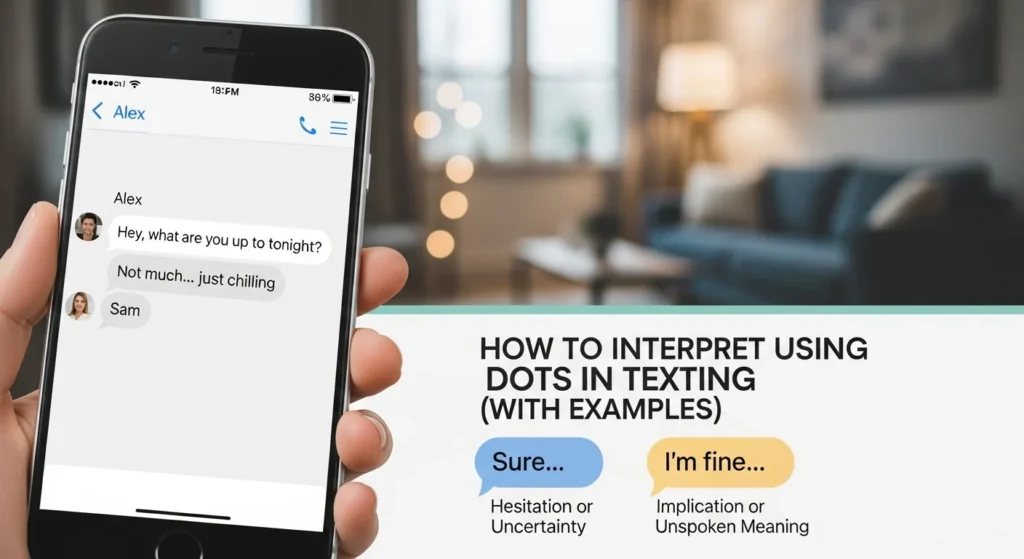
Understanding what using dots means in texting depends heavily on context. Let’s break it down.
1. Dots for Hesitation or Uncertainty
Example:
- “I guess we could go…”
👉 Meaning: The person isn’t fully convinced.
2. Dots for Suspense or Drama
Example:
- “You won’t believe what happened…”
👉 Meaning: Something exciting or surprising is coming.
3. Dots for Awkwardness
Example:
- “Oh… I didn’t know that.”
👉 Meaning: Slight discomfort or surprise.
4. Dots for Passive-Aggression
Example:
- “Sure…”
👉 Meaning: They probably don’t actually agree.
5. Dots in Flirting or Teasing
Example:
- “Maybe I’ll tell you later…”
👉 Meaning: Playful, mysterious tone.
Mini Conversation Examples
Scenario 1: Awkward Tone
- A: “I forgot your birthday”
- B: “Oh…”
👉 Interpretation: Disappointment or discomfort.
Scenario 2: Suspense
- A: “Guess what…”
- B: “What??”
👉 Interpretation: Excitement building.
Scenario 3: Passive-Aggressive
- A: “I’ll be late again”
- B: “Okay…”
👉 Interpretation: Annoyance hidden behind politeness.
When to Use Dots in Texting (Best Practices)
Using dots can enhance your messages—if used correctly.
✔️ When Dots Work Well
- To build suspense
- To soften a statement
- To create a natural pause
- To add mystery or humor
✔️ How to Use Dots Effectively
- Match the tone to your intent
- Consider your audience (Gen Z vs older users)
- Use sparingly—less is more
- Pair with emojis if clarity is needed
Example: Good vs Bad Usage
| Situation | Bad Example | Better Example |
|---|---|---|
| Casual chat | “Okay…” | “Okay 👍” |
| Suspense | “I have news.” | “I have news…” |
| Friendly tone | “Sure…” | “Sure! 😊” |
Common Mistakes When Using Dots in Texting
Even though dots seem simple, they can easily be misinterpreted.
❌ Overusing Ellipses
Too many dots can feel:
- Dramatic
- Annoying
- Confusing
Example:
- “I was thinking… maybe… we could… go out…”
👉 Feels awkward or unclear.
❌ Sounding Passive-Aggressive (Unintentionally)
Many people use dots casually—but others read them differently.
Example:
- “Thanks…”
👉 Might sound sarcastic instead of grateful.
❌ Using Dots in Professional Texts
In work-related messages, dots can seem:
- Uncertain
- Unprofessional
Better:
- Use clear, complete sentences.
❌ Ignoring Context
Dots don’t have a fixed meaning—they depend on:
- Relationship
- Situation
- Conversation tone
Benefits of Understanding What Using Dots Means in Texting
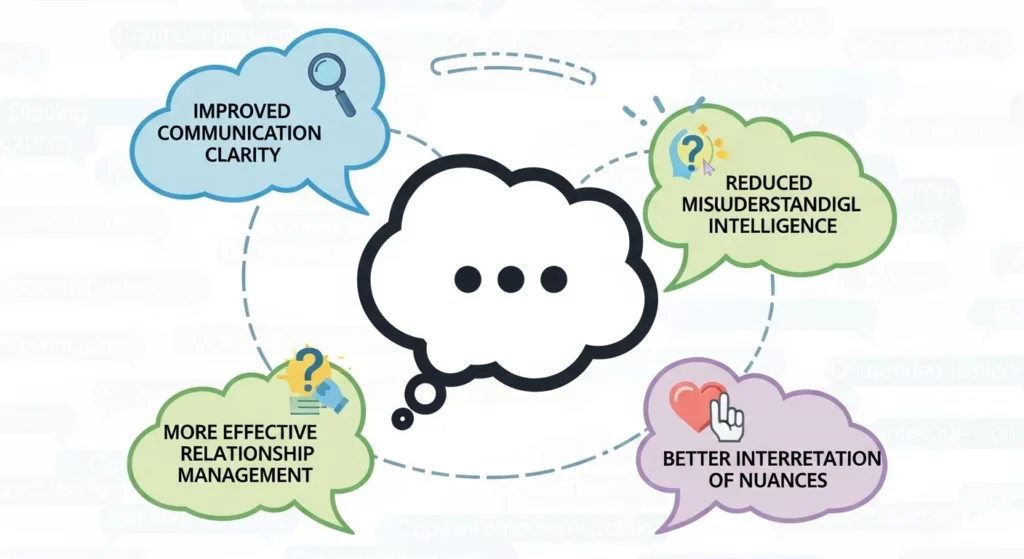
Mastering this small detail can improve your communication significantly.
💡 Key Benefits
- Avoid misunderstandings
- Improve emotional clarity
- Enhance texting tone
- Communicate more effectively
- Understand others better
Quick Summary Table
| Use Case | Meaning |
|---|---|
| “…” after a sentence | Pause or hesitation |
| “Oh…” | Awkwardness |
| “Sure…” | Possible annoyance |
| “Wait…” | Suspense |
| “Maybe…” | Uncertainty or teasing |
Tips to Use Dots in Texting Like a Pro
Want to text like a natural? Follow these simple tips:
🔹 Keep It Intentional
Always ask: What emotion am I trying to convey?
🔹 Combine With Emojis
Dots + emojis = clearer tone
- “Okay… 😅” → nervous humor
- “Fine… 😂” → joking tone
🔹 Know Your Audience
- Friends → more flexible
- Work → avoid dots
- New people → use cautiously
🔹 Don’t Overthink (But Be Aware)
Not every “…” is deep—but it’s worth understanding.
FAQs About What Using Dots Means in Texting
1. What does using dots mean in texting from a girl?
It depends on context. It could show hesitation, teasing, or awkwardness. Sometimes, it’s just a casual typing habit.
2. What does “…” mean in texting from a guy?
For guys, dots often indicate:
- Uncertainty
- Thoughtfulness
- Or a pause in conversation
But tone always depends on context.
3. Are dots in texting rude?
Not always. However, using dots in texting can come off as passive-aggressive if the message sounds cold or vague.
4. Why do Gen Z hate ellipses in texts?
Gen Z often associates “…” with:
- Awkward silence
- Passive-aggressiveness
- Unclear emotions
So they prefer emojis or direct wording.
5. What’s the difference between “.” and “…” in texting?
- “.” → neutral, direct
- “…” → emotional, suggestive, or hesitant
6. Is using dots in texting flirting?
Yes, sometimes!
Dots can add mystery or teasing tone:
- “Maybe I will…” → playful vibe
7. Should I avoid dots in texting?
Not completely. Just use them carefully and intentionally to match your tone.
Conclusion
So, what does using dots mean in texting? The answer isn’t one-size-fits-all. Those three little dots can express hesitation, suspense, awkwardness, or even subtle attitude—depending on how and when they’re used.
Understanding this tiny detail can dramatically improve how you communicate in texts, especially with Gen Z audiences who are highly tuned into tone and nuance. The key is to use dots intentionally, consider your audience, and always think about how your message might be interpreted.
Next time you type “…”, you’ll know exactly what vibe you’re sending. And if you’re ever unsure—just keep it simple or add an emoji to avoid confusion.
Discover more post
What Does No Punctuation Mean in Texting? The Hidden

Creal Wood is a creative writer and digital expression enthusiast known for breaking down the deeper meaning and impact of modern text forms, from powerful written messages to the fast-moving world of internet memes. With a passion for exploring how words shape emotion, culture, and humor, Creal blends thoughtful analysis with a playful approach that makes complex ideas easy to understand.
Specializing in text symbolism, meme culture, visual linguistics, and communication trends, Creal studies how people use short phrases, captions, and visuals to express identity, humor, and social commentary in today’s online world. Their work uncovers the hidden layers behind everyday posts, explaining how meaning evolves as memes spread, transform, and reshape digital expression.
Whether breaking down literary themes, decoding meme formats, or examining how language adapts to new platforms, Creal Wood brings a unique voice that bridges academic insight with modern creativity. Their writing is engaging, insightful, and designed to help readers understand not just what a message says, but what it means.






Post Comment