What Does Typing in Lowercase Mean? A Complete Guide to Tone, Texting, and Online Culture 2026
If you’ve ever received a message like “hey, i saw your text” instead of “Hey, I saw your text,” you might have wondered—what does typing in lowercase mean? Is it laziness, style, or something deeper?
In today’s digital world, especially among Gen Z and online communities, lowercase typing has become more than just a grammar choice—it’s a tone, a vibe, and sometimes even a hidden message. From casual texting to social media captions, the way people use capitalization can subtly change how a message feels.
This guide breaks down what typing in lowercase means, why people use it, how it’s interpreted, and when you should (or shouldn’t) use it. Whether you’re a beginner, blogger, or just trying to decode modern texting culture, you’ll get clear, real-world insights here.
What Does Typing in Lowercase Mean in Texting?
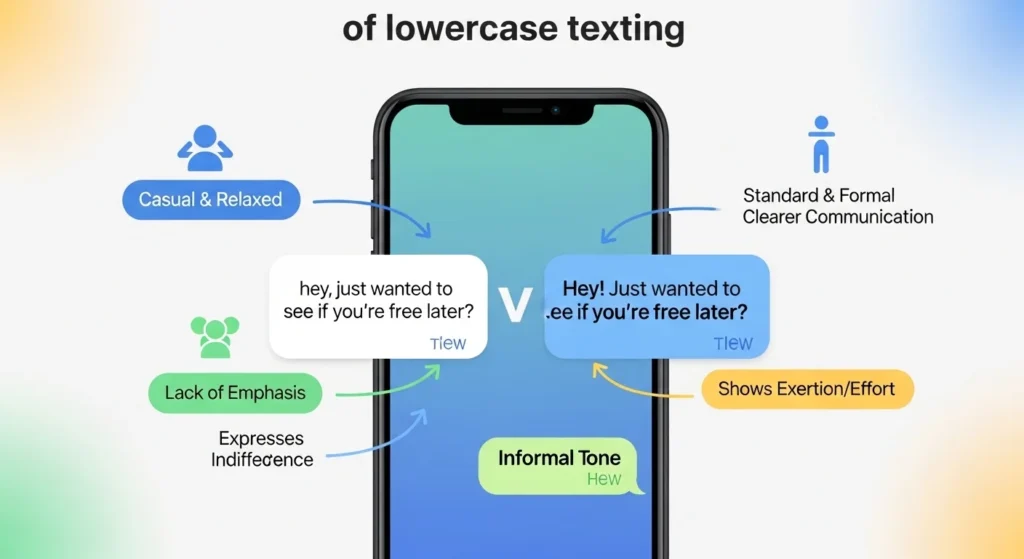
At its core, typing in lowercase means writing without capital letters, even when grammar rules would normally require them. But in texting and online communication, it goes beyond grammar—it signals tone and intention.
Common Meanings of Lowercase Typing
- Casual or relaxed tone
- Soft or non-aggressive communication
- Emotional subtlety (sometimes vulnerability)
- Minimal effort or laid-back attitude
- Aesthetic or stylistic choice
Example:
With capitalization:
“I’m fine. Don’t worry.”
Lowercase version:
“i’m fine don’t worry”
👉 The lowercase version often feels more quiet, understated, or even slightly sad.
The Evolution of Lowercase Texting (Why It Became Popular)
From Grammar Rules to Digital Expression
Traditionally, proper grammar emphasized capitalization. But with the rise of texting, platforms like Twitter, Tumblr, and messaging apps shifted how people write.
Why lowercase became a trend:
- Speed & convenience (no need to hit shift)
- Social media aesthetics (clean, minimal look)
- Emotional nuance (less formal = more personal)
- Influence of internet culture & memes
Gen Z Influence
Gen Z users often use lowercase intentionally to create a “soft tone” or avoid sounding too intense. In some contexts, using full capitalization can feel overly formal—or even aggressive.
Emotional Meanings: What Typing in Lowercase Says About Tone
Lowercase typing can completely change how a message feels. Here’s how tone shifts based on capitalization:
Tone Comparison Table
| Style | Example | Perceived Tone |
|---|---|---|
| Proper case | “Hey, are you okay?” | Neutral, polite |
| Lowercase | “hey are you okay” | Gentle, caring |
| ALL CAPS | “HEY ARE YOU OKAY” | Urgent or intense |
Common Emotional Interpretations
1. Soft & Gentle Tone
Lowercase messages often feel less confrontational.
“i just wanted to check in”
Feels warmer than:
“I just wanted to check in.”
2. Sad or Low Energy
Sometimes lowercase signals emotional vulnerability.
“it’s whatever”
👉 Could hint at disappointment.
3. Chill & Unbothered
Used to show you’re relaxed or not overthinking.
“yeah it’s cool”
4. Intentionally Aesthetic
Popular in captions:
“late nights & city lights”
Real-Life Examples & Mini Conversations
Example 1: Friendly Chat
Person A:
“Hey! What are you doing?”
Person B (lowercase):
“just chilling at home”
👉 Feels casual and relaxed.
Example 2: Emotional Context
Person A:
“Are you upset?”
Person B:
“i’m okay”
👉 Lowercase may suggest they’re not fully okay, just avoiding drama.
Example 3: Flirty or Soft Tone
Text:
“i miss you”
👉 Lowercase can make it feel more intimate and sincere.
Example 4: Passive-Aggressive Possibility
Text:
“ok”
vs
“ok.”
vs
“ok”
👉 Lowercase + no punctuation can feel dismissive depending on context.
When Should You Use Lowercase Typing?
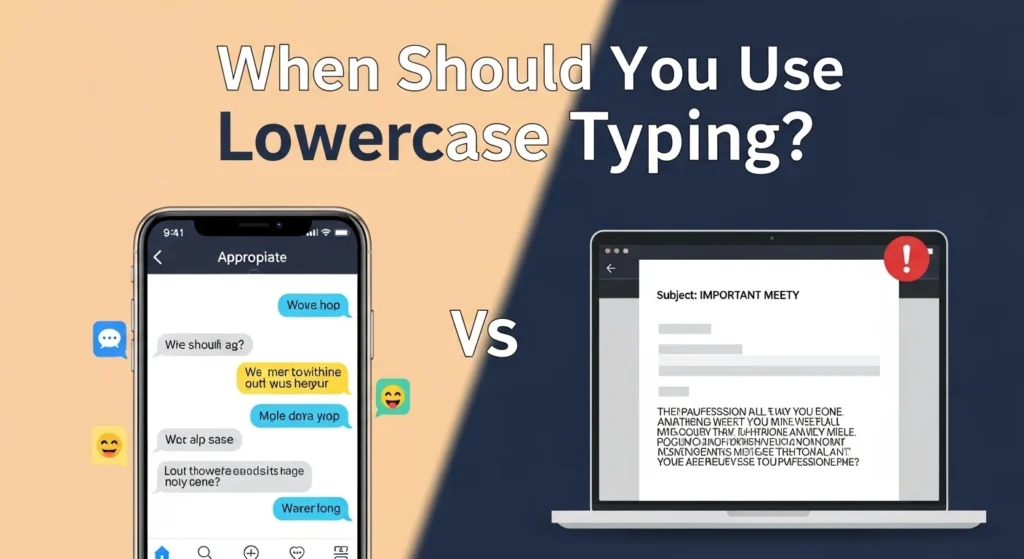
Lowercase typing works best in informal and relaxed settings.
Best Situations to Use Lowercase
- Chatting with friends
- Casual texting
- Social media captions
- Creative writing or blogging
- Emotional or soft conversations
Situations to Avoid Lowercase
- Professional emails
- Job applications
- Academic writing
- Formal business communication
Quick Tip:
If you’re unsure, match the other person’s style.
Benefits of Typing in Lowercase
Using lowercase isn’t just trendy—it has real communication benefits.
Key Advantages
- Feels approachable
- Reduces perceived pressure or intensity
- Adds personality to text
- Helps convey subtle emotions
- Popular in modern digital culture
Example:
“can we talk later”
Feels softer than:
“Can we talk later?”
Common Mistakes When Using Lowercase Typing
Even though lowercase typing is flexible, it can backfire.
Mistakes to Avoid
1. Using Lowercase in Serious Situations
“sorry for your loss”
👉 Can feel careless instead of respectful.
2. Being Misunderstood
Lowercase can sometimes seem disinterested or lazy.
3. Overusing It
If everything is lowercase, it may lose meaning or impact.
4. Mixing Tone Confusingly
“i am VERY excited”
👉 Mixed tone = confusing message.
How to Use Lowercase Typing Effectively (Step-by-Step)
Step 1: Know Your Audience
Are you texting a friend or emailing a boss?
Step 2: Understand the Context
Casual vs serious conversation matters.
Step 3: Match Tone Intentionally
Use lowercase to soften tone—not by accident.
Step 4: Combine With Punctuation
- No punctuation = casual
- Period = more serious
- Emojis = emotional clarity
Step 5: Don’t Overthink It
Typing style should feel natural, not forced.
FAQs About What Typing in Lowercase Means
1. What does typing in lowercase mean in texting from a girl or guy?
Typing in lowercase usually signals a casual, relaxed, or soft tone, regardless of gender. It often reflects personality or texting style rather than intent.
2. Is typing in lowercase rude?
Not usually. However, in formal or serious contexts, it can come across as careless or disrespectful.
3. Why do Gen Z type in lowercase?
Gen Z uses lowercase to express emotion, aesthetic style, and authenticity. It helps messages feel less robotic and more human.
4. What does it mean when someone suddenly switches to lowercase?
A sudden switch can signal a change in mood—often becoming more casual, emotional, or less engaged.
5. Does lowercase texting mean someone is sad?
Not always, but it can sometimes indicate low energy, sadness, or emotional subtlety, depending on the context.
6. What’s the difference between lowercase and no punctuation?
Lowercase affects tone, while punctuation affects clarity and emotion. Together, they shape how a message is perceived.
7. Should I always use lowercase in texting?
No. Use lowercase strategically. It’s great for casual chats but not for professional communication.
Conclusion
So, what does typing in lowercase mean? It’s more than just skipping capital letters—it’s a powerful way to shape tone, emotion, and personality in digital communication.
Lowercase typing can make your messages feel softer, more casual, and more relatable. But like any communication tool, it works best when used intentionally. Understanding when and how to use it can help you connect better—whether you’re texting friends, writing captions, or crafting content.
If you want to improve your communication style, start paying attention to how people type—and experiment with your own tone. You might be surprised how much a simple lowercase letter can change everything.
Discover more post
What Does Using Dots Mean in Texting? (Complete Guide

Creal Wood is a creative writer and digital expression enthusiast known for breaking down the deeper meaning and impact of modern text forms, from powerful written messages to the fast-moving world of internet memes. With a passion for exploring how words shape emotion, culture, and humor, Creal blends thoughtful analysis with a playful approach that makes complex ideas easy to understand.
Specializing in text symbolism, meme culture, visual linguistics, and communication trends, Creal studies how people use short phrases, captions, and visuals to express identity, humor, and social commentary in today’s online world. Their work uncovers the hidden layers behind everyday posts, explaining how meaning evolves as memes spread, transform, and reshape digital expression.
Whether breaking down literary themes, decoding meme formats, or examining how language adapts to new platforms, Creal Wood brings a unique voice that bridges academic insight with modern creativity. Their writing is engaging, insightful, and designed to help readers understand not just what a message says, but what it means.







Post Comment